
Starting a campfire in Ontario’s diverse wilderness requires more than striking a match and hoping for the best. With over 330 provincial parks and countless backcountry sites across the province, Ontario campers face unique challenges from the Canadian Shield’s rocky terrain to the humidity of southern forests. Mastering reliable campfire starting tips can transform a frustrating evening into a warm, memorable experience under the stars.
Whether dealing with damp morning dew on Algonquin’s lakeshores or unexpected rain in Killarney’s backcountry, understanding fire-starting fundamentals separates prepared campers from those shivering in the dark. The right techniques, materials, and Ontario-specific knowledge ensure success regardless of weather conditions or experience level.
Key Takeaways
- Proper tinder selection and preparation is the foundation of successful fire starting in Ontario’s variable climate
- The teepee and log cabin fire structures offer distinct advantages for different camping situations and weather conditions
- Ontario’s fire regulations and seasonal restrictions require checking local burn bans before any camping trip
- Natural fire-starting materials abundant in Ontario forests provide reliable alternatives when commercial products fail
- Waterproofing techniques and backup ignition methods prevent campfire frustration during wet weather
Essential Campfire Starting Tips: Gathering the Right Materials
The success of any campfire begins long before striking the first spark. Understanding the three-stage fuel system creates the foundation for reliable fire starting across Ontario’s camping destinations.
The Tinder Foundation
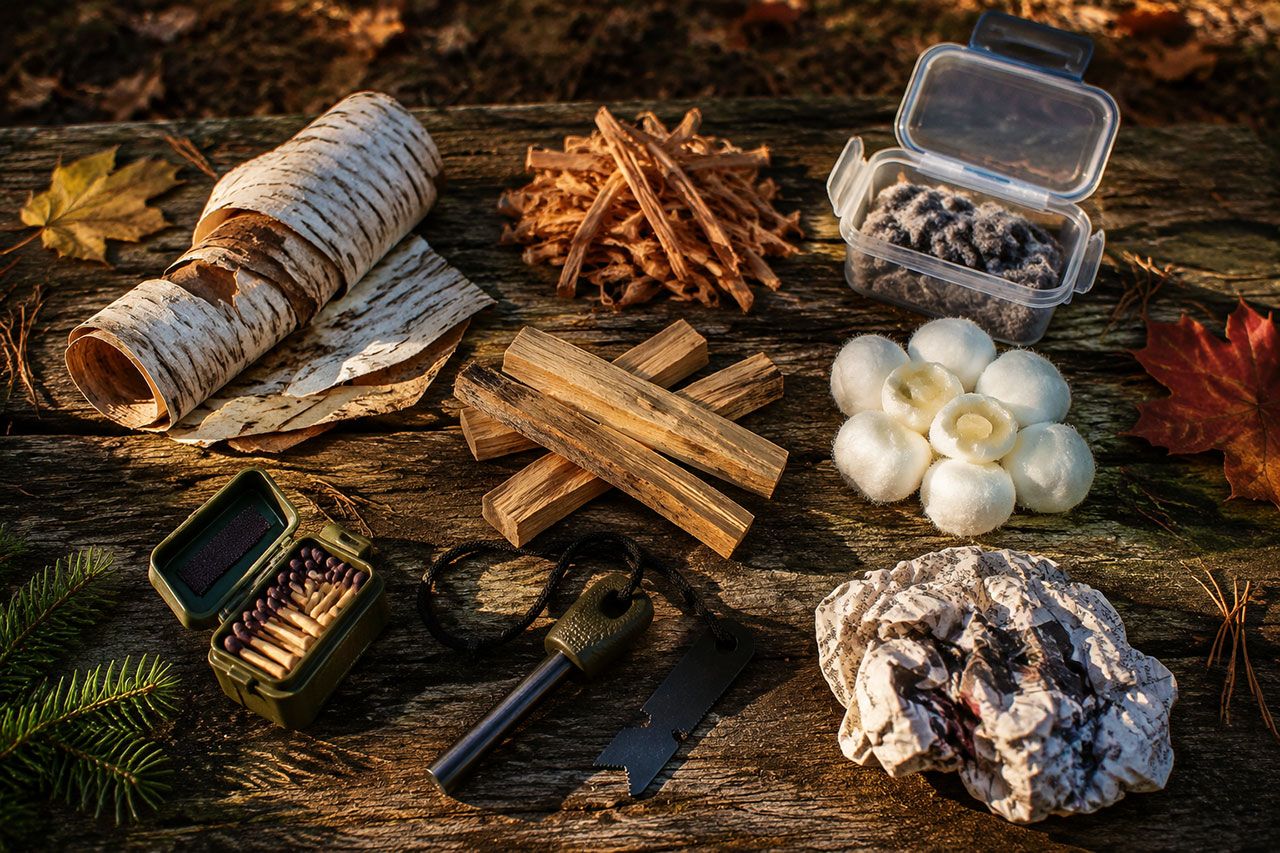
Tinder represents the most critical component of campfire starting tips that experienced campers swear by. This material catches the initial spark or flame and burns hot enough to ignite kindling. In Ontario’s forests, several natural options outperform commercial alternatives.
Birch bark stands as Ontario’s premier natural tinder. The paper-thin layers peel easily from fallen birch trees and contain oils that burn even when damp. Never strip bark from living trees, but collect from deadfall commonly found throughout provincial parks. The white outer bark ignites quickly while the inner layers provide sustained burn time.
Cedar bark offers another excellent Ontario-specific option. Found abundantly in northern regions, cedar’s fibrous inner bark can be shredded into a fine nest that catches sparks effectively. The aromatic oils provide extra flammability.
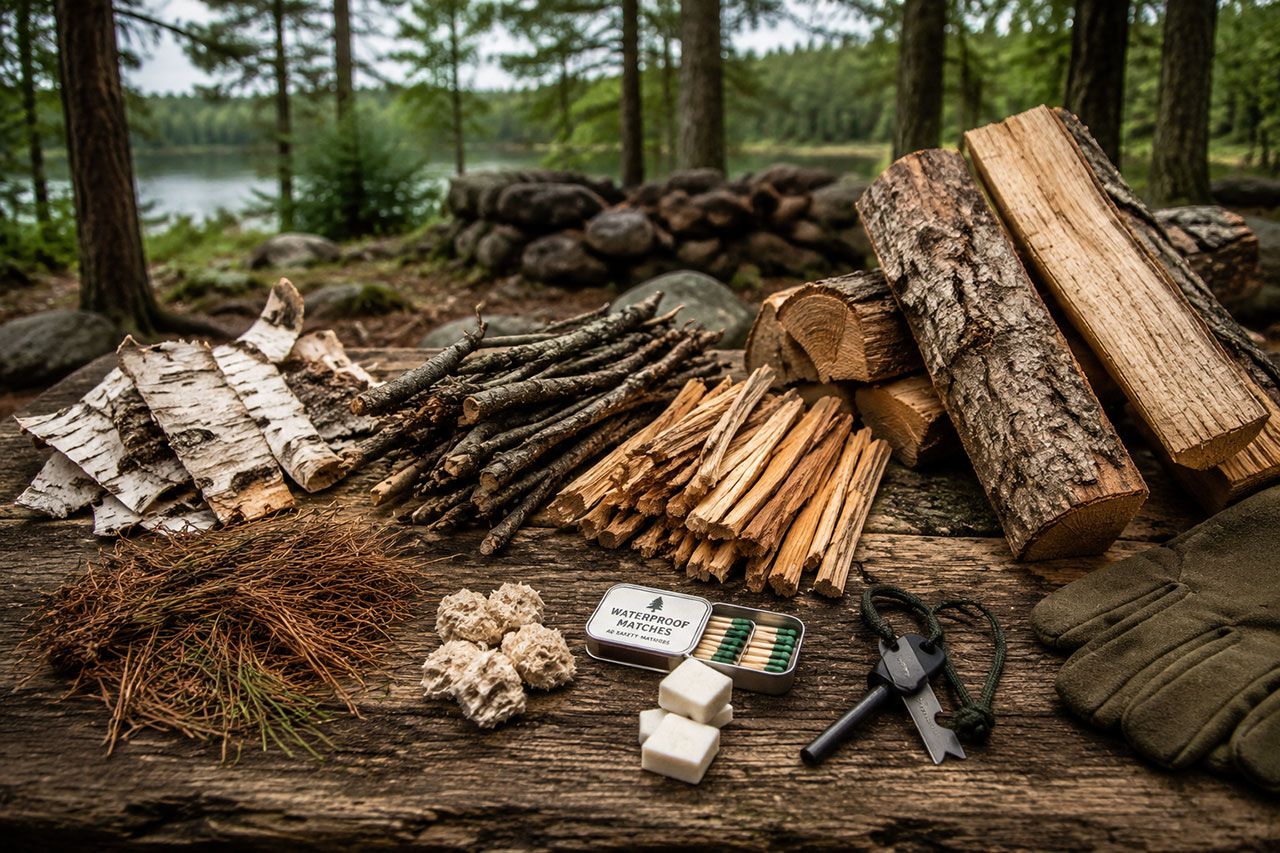
For guaranteed success, pack these prepared tinder options:
- Dryer lint stored in waterproof containers
- Cotton balls soaked in petroleum jelly
- Commercial fire starters or wax-coated wood shavings
- Fatwood or resin-rich pine splinters
- Char cloth for flint-and-steel methods
Kindling Selection Strategy
Kindling bridges the gap between tinder and fuel wood. This intermediate stage requires pencil-to-finger-thick dry wood that catches from tinder flames and burns long enough to ignite larger logs.
Dead branches still attached to standing trees provide the driest kindling in Ontario forests. Ground wood absorbs moisture from soil contact, but elevated branches remain protected. Look for branches that snap cleanly rather than bend.
Softwoods versus hardwoods matter during kindling selection. Pine, spruce, and cedar ignite faster due to resin content, making them ideal for kindling despite shorter burn times. Save hardwoods like maple and oak for fuel logs.
Prepare kindling in graduated sizes:
- Toothpick-thin pieces for initial ignition
- Pencil-thick sticks for flame development
- Finger-thick branches for transition to fuel wood
Split larger pieces to expose dry interior wood, especially after rain. Wet bark often conceals perfectly dry wood underneath.
Fuel Wood Fundamentals
Fuel wood sustains the fire for cooking and warmth. Ontario campers should understand local wood characteristics and regulations before gathering.
Most provincial parks require purchasing firewood on-site or within 50 kilometers to prevent invasive species spread. This regulation protects Ontario’s forests from pests like emerald ash borer and Asian longhorned beetle. Check Ontario Parks regulations before transporting any wood.
Hardwoods provide the longest burn times and best coal beds for cooking. Sugar maple, red oak, yellow birch, and ash deliver excellent heat output. These dense woods take longer to ignite but burn steadily for hours.
Softwoods ignite quickly and produce dramatic flames but burn faster. White pine, jack pine, and spruce work well for quick warmth or when constant fire tending isn’t problematic.
Optimal fuel wood characteristics include:
- Seasoned for at least six months (gray appearance, cracks in ends)
- Split to expose interior and reduce moisture
- Forearm-thick pieces for standard campfires
- Mixture of sizes for fire management flexibility
Proven Campfire Starting Tips: Building Techniques That Work
Fire structure determines how efficiently heat transfers from tinder through kindling to fuel wood. Ontario’s variable weather demands understanding multiple building methods.
The Teepee Method
The teepee structure creates excellent airflow and concentrates heat upward, making it ideal for quick ignition in challenging conditions.
Construction steps:
- Place tinder bundle in fire ring center
- Lean kindling pieces against each other in cone shape over tinder
- Leave opening on windward side for lighting access
- Gradually add larger kindling pieces maintaining cone shape
- Position fuel logs in teepee formation around established kindling fire
The teepee excels in damp conditions because rising heat dries upper wood while lower levels burn. As the structure collapses inward, it naturally transitions into a coal bed suitable for cooking.
Disadvantages include instability with larger logs and the need for reconstruction after collapse. This method works best for quick fires or when immediate heat is the priority.
The Log Cabin Method
This structure provides exceptional stability and creates a self-feeding fire as upper layers collapse onto lower burning wood.
Construction process:
- Build small teepee with tinder and fine kindling in center
- Place two parallel fuel logs on opposite sides of teepee
- Add two perpendicular logs on top, creating square
- Continue stacking logs in alternating directions, pyramid style
- Light central teepee; fire burns inward and upward
The log cabin method delivers consistent, long-lasting fires perfect for extended cooking sessions or social campfires. The structure allows excellent oxygen flow while protecting the core from wind and light rain.
Ontario campers appreciate this method for group camping at sites like Algonquin Park where sustained fires enhance the camping experience. The stable structure reduces fire tending requirements, allowing more time for activities.
The Lean-To Technique
When wind threatens fire-starting success, the lean-to provides natural wind protection while maintaining necessary airflow.
Setup instructions:
- Place large log as windbreak on windward side of fire ring
- Lean kindling against log at 45-degree angle
- Position tinder bundle underneath leaning kindling
- Light tinder from sheltered side
- Add progressively larger pieces maintaining lean-to angle
This method works exceptionally well on windy lakeshores common throughout Ontario’s camping regions. The windbreak log protects initial flames while the angled structure channels oxygen to combustion zones.
The Platform or Upside-Down Fire
This counterintuitive method places largest wood on bottom with progressively smaller pieces stacked on top, finishing with tinder on the very top.
Building sequence:
- Lay largest fuel logs parallel at fire ring base
- Add perpendicular layer of slightly smaller logs
- Continue alternating layers, decreasing size upward
- Place kindling layer near top
- Crown with tinder bundle on summit
- Light from top; fire burns downward through layers
The platform fire burns exceptionally clean with minimal smoke, requires almost no tending, and creates excellent coal beds. This method suits experienced campers comfortable with unconventional techniques and works beautifully for overnight fires that need to burn steadily without constant attention.
Ontario-Specific Campfire Starting Tips and Regulations
Ontario’s unique geography, climate, and regulations require specialized knowledge for successful and legal campfire experiences.
Understanding Fire Bans and Restrictions
Ontario implements fire restrictions based on forest fire hazard conditions, which change rapidly during dry periods. The Ontario Fire Danger Rating System provides current information across regions.
Restricted Fire Zones may prohibit all open fires while permitting portable propane stoves. Some parks close entirely during extreme fire danger. Always check current restrictions before departure through:
- Ontario Parks website for provincial park updates
- Local conservation authority websites
- Municipal fire department advisories for Crown land camping
- The CampEscape Ontario camping resources for consolidated information
Violating fire bans results in substantial fines and potential criminal charges if fires escape control. Beyond legal consequences, irresponsible fire use threatens Ontario’s forest ecosystems and endangers other campers.
Seasonal Considerations
Ontario’s dramatic seasonal variations impact fire-starting success throughout the camping season.
Spring camping (May-June) presents challenges with snowmelt moisture, frequent rain, and high humidity. Focus on waterproofing techniques and bring extra commercial fire starters. Birch bark and fatwood become essential during wet spring conditions.
Summer months (July-August) offer easiest fire starting but highest fire ban probability during drought periods. Afternoon thunderstorms can soak wood quickly, so maintain dry tinder reserves in waterproof containers.
Fall camping (September-October) provides ideal conditions with lower humidity and abundant dry leaves for supplemental tinder. However, shorter days mean starting fires in fading light, so prepare fire sites before darkness.
Weather-Specific Strategies
Ontario weather changes rapidly, requiring adaptive fire-starting approaches.
Rain and dampness demand these campfire starting tips:
- Collect kindling from standing dead trees rather than ground wood
- Split all wood to expose dry interior
- Create rain shelter over fire site using tarp positioned high enough for smoke escape
- Use petroleum jelly cotton balls or commercial fire starters for guaranteed ignition
- Build larger initial tinder bundle to generate sufficient heat for damp kindling
Wind management techniques include:
- Position fire ring near natural windbreaks (large rocks, dense vegetation)
- Use lean-to or log cabin methods for wind protection
- Build smaller initial fires that establish before adding fuel
- Create temporary wind barriers with logs or gear (maintaining safe distances)
Cold weather fire starting requires understanding that frozen wood often contains less moisture than summer wood, but cold temperatures make ignition more difficult. Warm fire-starting tools (lighters, ferro rods) inside clothing before use, as cold reduces their effectiveness.
Advanced Campfire Starting Tips for Challenging Conditions
When basic methods fail or conditions turn extreme, these advanced techniques separate struggling campers from fire-starting experts.
Alternative Ignition Methods
Diversifying ignition tools prevents total failure when primary methods encounter problems.
Ferro rods (ferrocerium rods) generate 3,000-degree sparks regardless of moisture or altitude. These tools work when matches and lighters fail, making them essential backup options. Practice ferro rod technique before trips, as the skill requires coordination between rod angle, striker pressure, and tinder positioning.
Magnesium fire starters combine a magnesium block with attached ferro rod. Scrape magnesium shavings onto tinder, then use ferro rod to ignite the pile. Burning magnesium reaches extremely high temperatures, igniting even marginal tinder.
Battery and steel wool provides emergency ignition using a 9-volt battery touched to fine steel wool. The electrical contact causes steel wool to glow and ignite. This method works with AA batteries aligned in series or car batteries in vehicle camping situations.
Lens-based fire starting using magnifying glasses, eyeglasses, or water-filled bags focuses sunlight to ignition temperature. This technique requires direct sunlight and patience but uses no consumable resources.
Waterproofing Strategies
Protecting fire-starting materials from Ontario’s frequent precipitation ensures capability regardless of weather.
Waterproof container systems:
- Store tinder in sealed plastic bags or waterproof stuff sacks
- Keep matches in waterproof match cases with striker surfaces
- Use dry bags for kindling bundles prepared at home
- Maintain emergency fire kit in watertight container with multiple ignition methods
Wax-coating techniques make tinder and kindling water-resistant. Dip cardboard, pine cones, or cotton balls in melted paraffin wax. These items ignite easily and burn long enough to dry surrounding materials.
Chemical fire starters like trioxane tablets or hexamine fuel tablets burn intensely enough to ignite damp wood. Pack these commercial options as insurance against extended wet weather.
Fire Starting Without Matches
Primitive fire-starting skills provide ultimate backup capability and deepen connection with traditional camping practices.
Bow drill friction fire represents the most reliable primitive method but requires practice and proper materials. This technique uses a wooden spindle rotated rapidly against a fireboard to generate ember-forming friction. Ontario’s forests provide suitable materials including cedar, basswood, and willow.
Hand drill method simplifies the bow drill by rotating the spindle between palms, though it demands greater physical effort and technique refinement.
Flint and steel using actual flint or quartz struck against high-carbon steel produces sparks that ignite char cloth. This historical method works reliably with practice and proper materials.
While primitive methods rarely become necessary with proper planning, understanding these techniques builds confidence and provides genuine emergency capability during equipment failure.
Safety and Environmental Considerations
Responsible fire use protects Ontario’s wilderness while ensuring camper safety.
Fire Ring Preparation
Proper fire containment prevents escaped fires and environmental damage.
Established fire rings at developed campsites should always be used rather than creating new fire scars. These rings provide appropriate size, location, and mineral soil base for safe fires.
Backcountry fire sites require careful selection:
- Clear 3-meter radius of flammable materials (leaves, needles, grass)
- Avoid areas under overhanging branches or near roots
- Select mineral soil or rock base rather than organic soil
- Never build fires on moss, which can smolder underground for weeks
Fire ring construction in areas without established rings should use rocks to contain fire and reflect heat. Avoid river rocks, which may contain water that explosively converts to steam when heated.
Extinguishing Fires Completely
Incompletely extinguished fires cause numerous forest fires annually in Ontario. Follow these critical steps:
- Allow fire to burn down to ash when possible (stop adding wood 30+ minutes before departure)
- Spread coals and embers to accelerate cooling
- Pour water over all embers, coals, and surrounding fire ring
- Stir ashes and add more water
- Feel all materials with bare hand to verify coolness
- Repeat water application until no hissing sounds occur
The “cold to touch” standard means every part of the fire area should feel completely cool to bare skin. Hot spots can reignite hours after apparent extinguishment.
Leave No Trace Principles
Ontario’s wilderness beauty depends on responsible camping practices:
- Burn wood completely to white ash rather than leaving partially burned logs
- Pack out any trash (never burn plastic, foil, or food waste)
- Scatter cold ashes in established sites or pack out in backcountry areas
- Use only dead and downed wood, never cut living trees
- Keep fires small (easier to manage and requires less wood)
Following Leave No Trace principles ensures Ontario’s camping destinations remain pristine for future generations.
Conclusion
Mastering campfire starting tips transforms Ontario camping from potentially frustrating experiences into reliably enjoyable adventures. Success begins with understanding the three-stage fuel system and selecting appropriate natural materials from Ontario’s forests. Building techniques like the teepee, log cabin, and lean-to methods provide options for different weather conditions and camping situations.
Ontario-specific knowledge proves essential, from checking current fire restrictions to adapting techniques for the province’s variable weather patterns. Advanced skills including alternative ignition methods and waterproofing strategies ensure capability even during challenging conditions.
Most importantly, responsible fire use through proper extinguishment and Leave No Trace practices protects the wilderness that makes Ontario camping special. Whether planning a trip to Algonquin’s backcountry or a family weekend at a provincial park, these campfire starting tips provide the foundation for warm, memorable evenings under Ontario’s stars.
Start practicing these techniques before the next camping trip. Gather materials, experiment with different fire structures in controlled environments, and build confidence with alternative ignition methods. Visit CampEscape for more Ontario camping resources, site recommendations, and seasonal camping guides. With preparation and practice, reliable campfires become a guaranteed part of every Ontario camping adventure in 2026 and beyond.
