
More than 330,000 visitors explore Awenda Provincial Park each year, yet many Ontario campers have never heard of this 2,915-hectare treasure along Georgian Bay’s eastern shore. While parks like Algonquin and Killarney dominate camping conversations, Awenda Provincial Park quietly offers something increasingly rare: accessible wilderness that feels genuinely remote, six distinct beaches with Caribbean-blue water, and over 30 kilometers of trails through some of southern Ontario’s last remaining old-growth forest.
Located just 20 minutes from Penetanguishene in Simcoe County, Awenda Provincial Park delivers the perfect balance between convenience and escape. The park’s name comes from the Wendat word meaning “calm water” or “safe harbor,” and that’s exactly what campers find here, a peaceful retreat where Georgian Bay’s dramatic coastline meets ancient hardwood forest, creating an ecosystem unlike anywhere else in the province.
Key Takeaways
- Awenda Provincial Park features 332 campsites across three campgrounds, accommodating tents, RVs up to 40 feet, and offering radio-free camping zones for true digital detox experiences.
- Six pristine beaches provide varied experiences from family-friendly swimming at Beach 4 to secluded shoreline exploration at Beaches 1 and 2, all with stunning views of Christian Island.
- The park’s 30+ kilometers of trails wind through rare Carolinian forest with old-growth trees over 300 years old, offering easy to moderate hiking and mountain biking opportunities.
- Peak season runs July through August, but visiting in May, June, or September offers significantly fewer crowds, lower rates, and excellent weather for outdoor activities.
- Advanced booking through Ontario Parks is essential for summer weekends, with reservations opening five months in advance for the most desirable campsites.
Understanding Awenda Provincial Park’s Unique Location and Ecosystem
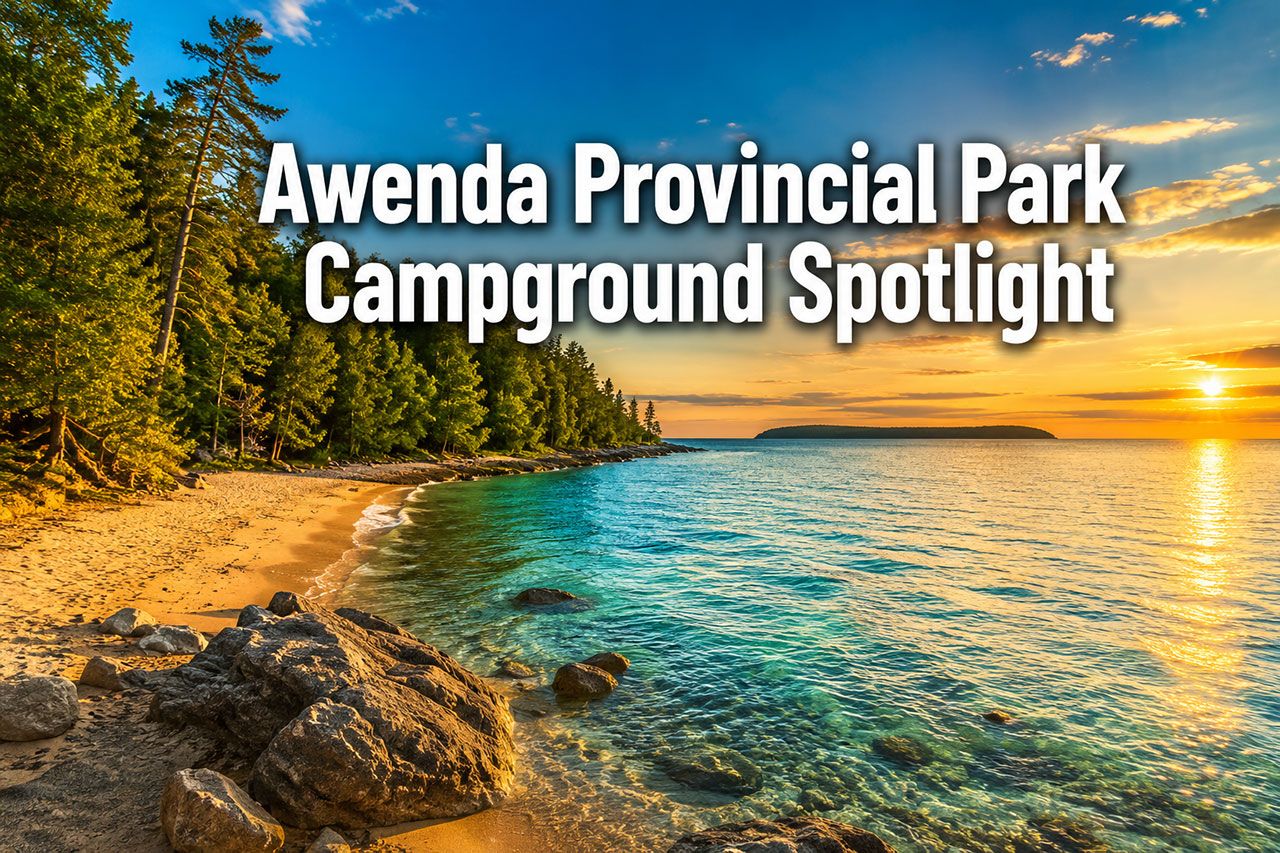
Awenda Provincial Park occupies a special place in Ontario’s natural landscape. Situated on a peninsula jutting into Georgian Bay’s Severn Sound, the park sits at the transition zone between southern Ontario’s Carolinian forest and the northern Canadian Shield. This unique position creates remarkable biodiversity rarely found elsewhere in the province.
The park’s 13 kilometers of Georgian Bay shoreline showcase the dramatic beauty that has made this region famous. Unlike the rocky, windswept shores typical of northern Georgian Bay, Awenda’s coastline features a mix of sandy beaches, limestone shelves, and protected coves. The water here displays that distinctive turquoise clarity that rivals ocean destinations, thanks to Georgian Bay’s limestone bedrock and zebra mussel filtration.
The Ancient Forest Connection
What truly sets Awenda apart is its old-growth hardwood forest. While most of southern Ontario was cleared for agriculture in the 1800s, Awenda’s forests survived relatively intact. Today, visitors walk among sugar maples, American beech, and red oak trees that were already towering when Canada became a nation in 1867. Some specimens exceed 300 years old, their massive trunks and sprawling canopies creating a cathedral-like atmosphere along trails like the Dunes Trail and Bluff Trail.
The park protects several rare plant species, including the threatened American ginseng and various orchid species. Birdwatchers regularly spot over 100 species, from common loons calling across the bay to migrating warblers that use Awenda as a critical stopover point. White-tailed deer are abundant, and lucky visitors occasionally glimpse black bears, foxes, and porcupines.
Getting There and Accessibility
Awenda Provincial Park sits approximately 170 kilometers north of Toronto, making it an easy 2-2.5 hour drive via Highway 400 and Highway 93. From Ottawa, the journey takes about 5 hours. The park entrance is located at 5652 Awenda Park Road, Penetanguishene, with clear signage from Highway 93.
The park’s proximity to Penetanguishene and Midland means campers have easy access to groceries, restaurants, and emergency services, a significant advantage over more remote parks. Yet once inside Awenda’s gates, the sense of wilderness is immediate and complete.
Awenda Provincial Park Campground Options and Site Selection
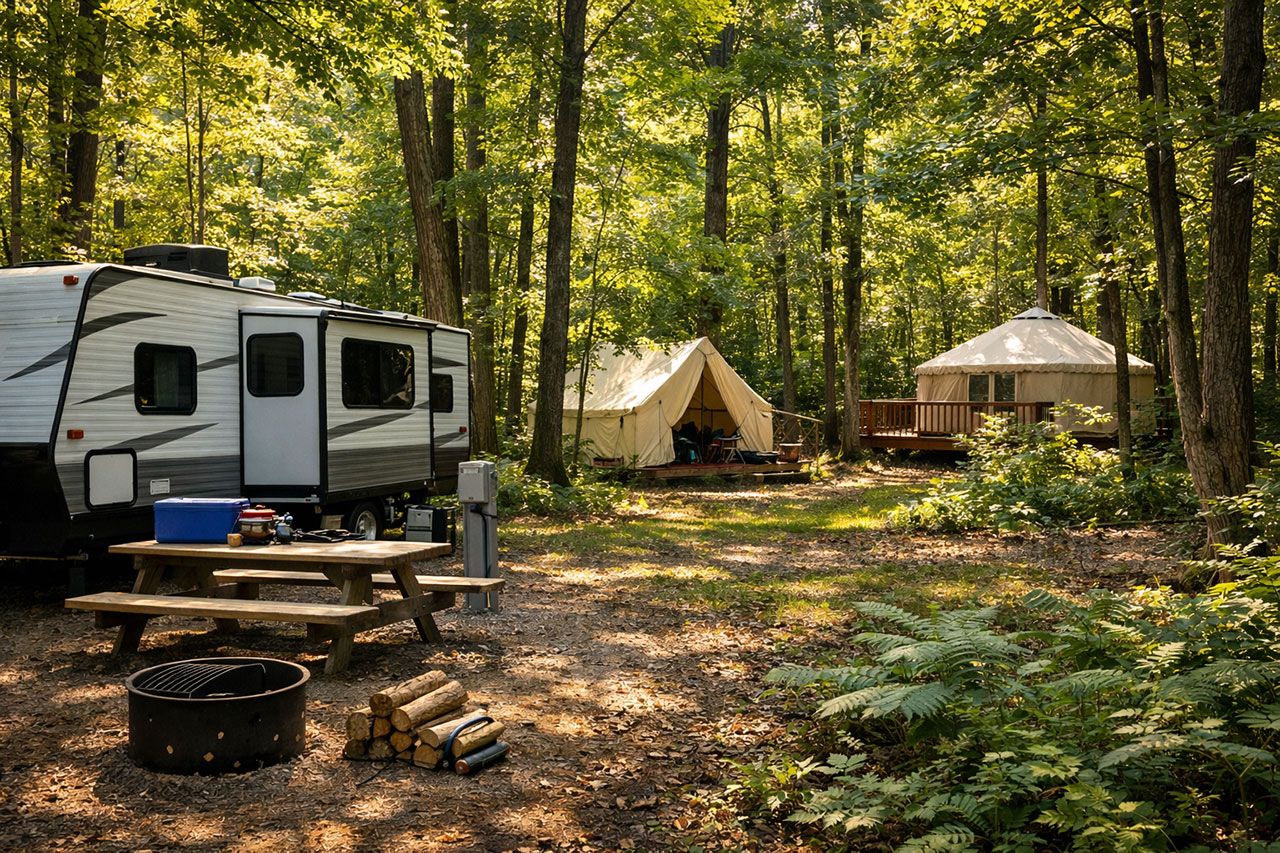
Awenda Provincial Park operates three distinct campgrounds, each offering different experiences and amenities. Understanding these differences is crucial for selecting the perfect site for your camping style.
Kettle’s Lake Campground
The largest and most popular campground, Kettle’s Lake features 243 sites ranging from basic tent sites to fully serviced RV sites with 50-amp electrical hookups. The campground wraps around its namesake lake, a small inland body of water popular for swimming and paddling.
Sites 201-243 offer electrical hookups suitable for RVs and trailers up to 40 feet. These sites are larger and more open, with gravel pads and good spacing between neighbors. Sites 220-230 are particularly desirable, backing onto forest with good privacy despite the electrical amenities.
For tent campers seeking quieter experiences, sites 101-150 in the north loop provide excellent options. Sites 115-125 are especially popular, nestled in mature forest with soft ground for tent stakes and natural screening between sites. These non-electric sites attract fewer RVs and create a more traditional camping atmosphere.
Roofed Accommodation Campground
This smaller campground offers 20 roofed accommodations including yurts, rustic cabins, and prospector tents. For campers without equipment or those wanting a more comfortable experience, these options provide an excellent introduction to Awenda.
The yurts sleep up to six people and include electricity, heating, and beds with mattresses. They’re particularly popular with families introducing young children to camping or groups wanting shelter without sacrificing the outdoor experience. Booking these roofed accommodations requires advance planning, as they fill quickly throughout the season.
Bluff Campground
Bluff Campground represents Awenda’s most unique offering: a radio-free zone where generators, radios, and amplified music are prohibited. This 69-site campground attracts campers seeking genuine quiet and connection with nature.
Sites here are predominantly tent-friendly, though some can accommodate smaller RVs and trailers. The campground sits closer to Georgian Bay’s shoreline, with several sites offering water views through the trees. Sites 301-315 are particularly sought-after, positioned near the Bluff Trail with easy access to Beach 1.
The radio-free policy makes Bluff Campground ideal for:
- Families wanting to unplug and reconnect
- Solo campers seeking solitude
- Nature photographers and wildlife watchers
- Anyone experiencing camping fatigue from noisy neighbors
Site Selection Strategy
When booking on the Ontario Parks website, consider these factors:
Privacy: Interior loop sites (odd-numbered sites in most campgrounds) typically back onto forest, providing better screening than exterior sites facing roads.
Proximity to amenities: Sites near comfort stations offer convenience but higher foot traffic. Sites 150-180 in Kettle’s Lake balance accessibility with reasonable distance from facilities.
Sun exposure: Open sites near campground edges receive more sun, ideal for solar panels or drying gear but potentially hotter in summer. Forested sites stay cooler but may be buggy and slower to dry after rain.
Beach access: Bluff Campground offers closest access to Beaches 1 and 2, while Kettle’s Lake sits centrally for reaching all beaches by car or bike.
Reservations open five months in advance, and prime summer weekends (especially long weekends in July and August) fill within hours of becoming available. For the best selection, log in exactly when your desired dates open at 7:00 AM EST.
Exploring Awenda Provincial Park’s Six Beaches and Waterfront Activities
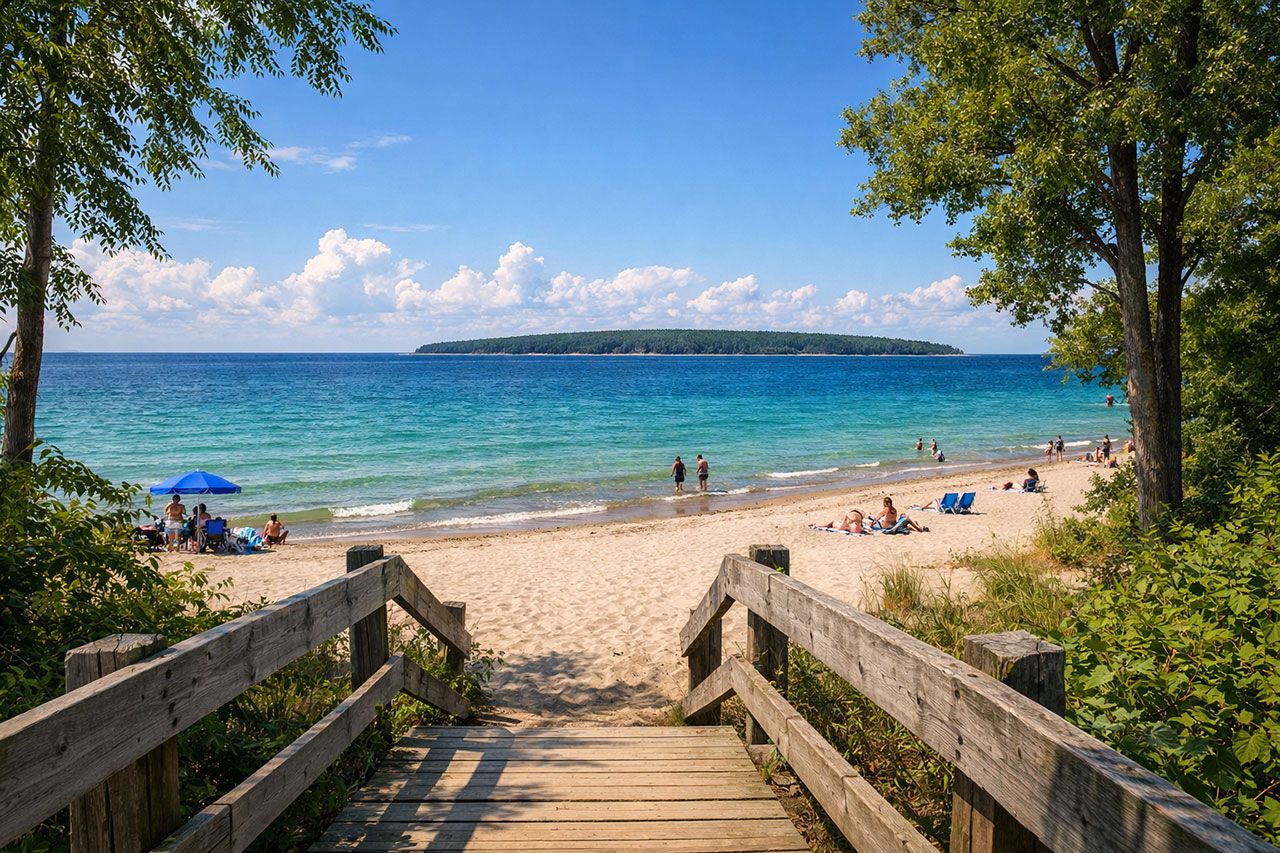
Awenda Provincial Park’s greatest treasure might be its six distinct beaches, each offering different experiences along the Georgian Bay shoreline. Unlike many Ontario parks with a single beach area, Awenda’s multiple beaches mean you can always find your perfect spot.
Beach 4: The Family Favorite
Beach 4 serves as Awenda’s main beach and most popular swimming area. This wide, sandy beach features:
- Designated swimming area with gradual depth increase
- Lifeguards on duty during peak season (typically late June through Labour Day)
- Large parking area with accessible facilities
- Picnic areas with tables and grills
- Playground equipment nearby
- Flush toilets and changing facilities
The sandy bottom and gentle slope make Beach 4 ideal for young children and nervous swimmers. Water temperatures in Georgian Bay typically reach 18-22°C (64-72°F) by mid-July, comfortable for extended swimming. The beach faces west, offering spectacular sunset views with Christian Island silhouetted on the horizon.
Beaches 1 and 2: The Quiet Alternatives
For campers seeking solitude, Beaches 1 and 2 deliver. These smaller beaches require a short walk from parking areas, which naturally limits crowds. Beach 1 sits at the end of the Bluff Trail, accessible via a moderate 2-kilometer hike through forest and along limestone bluffs.
Beach 2 offers easier access with a shorter trail but maintains that secluded feeling. Both beaches feature:
- Mixed sand and smooth stone shorelines
- Crystal-clear water ideal for snorkeling
- Natural privacy from surrounding forest
- Excellent opportunities for beach glass and stone collecting
- No lifeguards (swim at your own risk)
These beaches are perfect for:
- Couples seeking romantic, quiet beach time
- Photographers capturing Georgian Bay’s natural beauty
- Families with older children who can handle unsupervised swimming
- Anyone wanting to escape Beach 4’s summer crowds
Beaches 3, 5, and 6: Hidden Gems
The remaining beaches see even less traffic and offer unique characteristics:
Beach 3 sits between the main beach and the quieter northern beaches, providing a middle-ground option with moderate crowds and decent facilities.
Beach 5 features more rocks and stones than sand, making it less popular for sunbathing but excellent for exploring tide pools and observing aquatic life.
Beach 6 occupies the park’s northern boundary, offering the most remote beach experience. The longer access trail means you’ll often have this beach entirely to yourself on weekdays.
Water Activities Beyond Swimming
Georgian Bay’s clear, calm waters around Awenda invite various activities:
Kayaking and Canoeing: Paddlers can explore the coastline, discovering hidden coves and observing the shoreline from water level. Kettle’s Lake also provides calm water for beginners or evening paddles. The park doesn’t rent watercraft, so bring your own or rent from outfitters in nearby Penetanguishene.
Stand-Up Paddleboarding: The protected waters near Awenda’s beaches offer ideal SUP conditions, especially early morning when winds are calm.
Snorkeling: The clear water and rocky areas near Beaches 1, 2, and 5 reveal surprising underwater landscapes. Bring a mask and snorkel to observe fish, aquatic plants, and the limestone formations beneath the surface.
Fishing: Georgian Bay offers excellent fishing opportunities for smallmouth bass, northern pike, and perch. An Ontario fishing license is required, and all provincial fishing regulations apply. Shore fishing is possible from rocky areas, though a boat or kayak opens more productive waters.
Beach Safety Considerations
Georgian Bay’s beauty comes with important safety factors:
- Water temperatures remain cool even in summer; hypothermia risk exists for extended swimming
- Sudden weather changes can create dangerous waves and currents
- Only Beach 4 has lifeguards; all other beaches require self-responsibility
- Zebra mussels create sharp surfaces on rocks and lake bottoms; water shoes are recommended
- Sun exposure is intense with reflection off water and sand; high-SPF sunscreen is essential
Hiking and Biking the Trails of Awenda Provincial Park
Awenda Provincial Park’s trail network showcases the park’s diverse ecosystems, from ancient forest to dramatic shoreline. With over 30 kilometers of trails rated easy to moderate, the park accommodates everyone from casual walkers to serious hikers and mountain bikers.
The Bluff Trail: Awenda’s Signature Hike
The 5.7-kilometer Bluff Trail represents Awenda’s must-do hike, combining old-growth forest, limestone bluffs, and Georgian Bay vistas. The trail begins near Bluff Campground and follows the shoreline, offering multiple viewpoints where limestone cliffs drop to the water below.
Highlights include:
- Ancient hardwood forest with interpretive signs explaining the ecosystem
- Dramatic overlooks 20-30 meters above Georgian Bay
- Access to Beach 1 at the trail’s midpoint
- Wildlife viewing opportunities, especially early morning
- Estimated hiking time: 2-3 hours at a moderate pace
The trail is well-maintained with clear markers, though some sections include roots, rocks, and moderate elevation changes. It’s not wheelchair accessible but manageable for most fitness levels with rest breaks.
Beach Trail Network
Several shorter trails connect the campgrounds to various beaches:
Beach 1 Trail (2 km): Connects Bluff Campground to Beach 1, overlapping with the Bluff Trail’s eastern section.
Beach 2 Trail (1.5 km): An easy walk from the day-use area to the secluded Beach 2.
Beach 4 Trail (1 km): A short connector between Kettle’s Lake Campground and the main beach.
These trails are perfect for:
- Morning beach walks before crowds arrive
- Evening strolls after dinner
- Families with young children building hiking confidence
- Accessing beaches without moving your vehicle
Dunes Trail: Forest Immersion
The 3-kilometer Dunes Trail loops through Awenda’s interior forest, showcasing the park’s botanical diversity. Despite its name, the trail doesn’t feature sand dunes but rather follows ancient shorelines from when Georgian Bay water levels were higher thousands of years ago.
This trail offers:
- Dense canopy creating cool hiking even on hot days
- Spring wildflower displays (trilliums, trout lilies, hepatica)
- Fall foliage that rivals anywhere in Ontario
- Bird watching opportunities for forest species
- Interpretive information about the Carolinian forest ecosystem
Wendat Trail: Cultural and Natural History
The 1.5-kilometer Wendat Trail combines natural beauty with Indigenous history. The trail passes through areas where the Wendat (Huron) people lived and traveled for centuries before European contact.
Interpretive signs explain:
- Traditional uses of forest plants for food and medicine
- Wendat relationship with the land and water
- Historical significance of the Georgian Bay region
- Modern conservation efforts protecting these ecosystems
This shorter trail is excellent for families wanting educational content alongside outdoor recreation.
Mountain Biking at Awenda
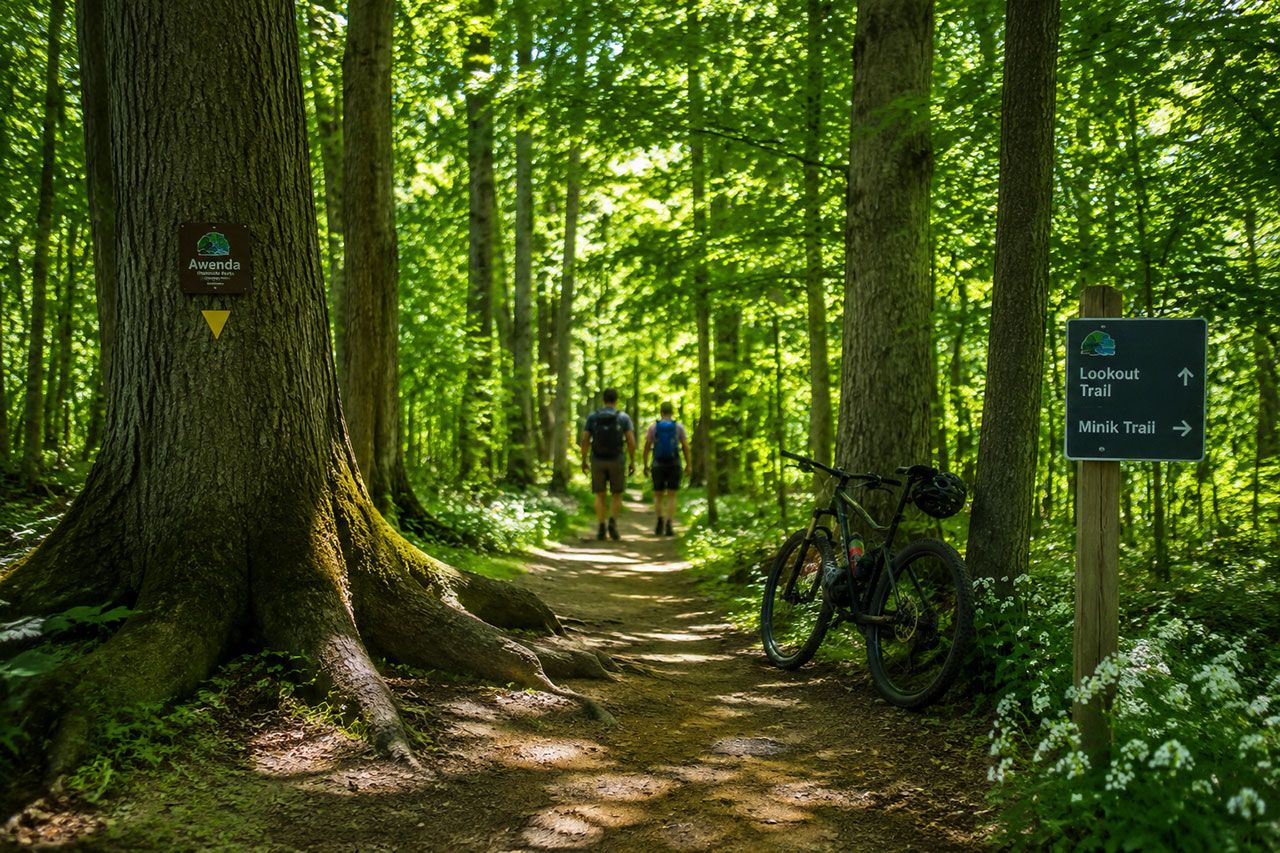
Several trails permit mountain biking, offering a different way to experience the park:
Bike-Friendly Trails:
- Beach Trail system (various sections)
- Park roads connecting campgrounds
- Designated bike routes marked on park maps
Biking Considerations:
- Trails are natural surface with roots, rocks, and occasional mud
- Yield to hikers; bikes must give way to pedestrians
- Helmets required for riders under 18, recommended for all
- Fat bikes work well on trails; road bikes are suitable only for paved park roads
The park’s relatively flat terrain (compared to Shield parks) makes it accessible for intermediate riders, while the technical features of roots and rocks provide enough challenge to stay interesting.
Trail Etiquette and Safety
To protect Awenda’s trails and ensure positive experiences for all:
- Stay on marked trails; shortcutting damages vegetation and causes erosion
- Carry out all trash; Leave No Trace principles apply
- Keep dogs leashed at all times; clean up after pets
- Check for ticks after hiking; Lyme disease is present in the region
- Bring water; no potable water sources exist on trails
- Download offline maps; cell service is spotty in the park
- Notify someone of your hiking plans and expected return time
Seasonal Trail Considerations
Spring (May-June): Trails may be muddy; waterproof boots recommended. Wildflowers peak. Black flies and mosquitoes can be intense.
Summer (July-August): Trails are dry and in best condition. Shade provides relief from heat. Ticks are active.
Fall (September-October): Spectacular foliage. Cooler temperatures ideal for hiking. Fewer bugs. Some trails may have fallen leaves obscuring roots.
Winter: The park remains open for winter camping, and trails become cross-country ski and snowshoe routes, offering a completely different Awenda experience.
Planning Your Visit to Awenda Provincial Park: Practical Tips and Insider Knowledge
Successful camping at Awenda Provincial Park requires more planning than simply showing up with a tent. These practical tips, gathered from experienced campers and park staff, will help you maximize your visit.
When to Visit: Timing Your Trip
Peak Season (July-August):
- Warmest weather and water temperatures
- All facilities and services operating
- Highest campground occupancy and beach crowds
- Premium rates apply
- Advance reservations essential
- Family-friendly atmosphere with lots of children
Shoulder Season (May-June, September-October):
- Significantly fewer crowds, especially weekdays
- Lower camping rates
- Excellent weather for hiking (cooler than summer)
- Water too cold for most swimmers
- Some facilities may have reduced hours
- Better wildlife viewing opportunities
- Fall foliage spectacular in late September/early October
Off-Season (November-April):
- Winter camping available for hardy adventurers
- Cross-country skiing and snowshoeing
- Minimal services; self-sufficiency required
- Dramatically different landscape and experience
- Very few other campers
For the best balance of weather, crowds, and value, consider visiting the first two weeks of September. Water remains reasonably warm from summer heating, crowds drop dramatically after Labour Day, and fall colors begin appearing.
Reservation Strategy
Ontario Parks’ reservation system opens bookings five months in advance. For example, July 15 camping dates become available February 15 at 7:00 AM EST.
Booking Tips:
- Create your Ontario Parks account in advance
- Save payment information for faster checkout
- Log in at 6:55 AM on your booking date
- Have multiple site options identified
- Book the maximum allowed stay if flexible, then modify later if needed
- Consider mid-week arrivals for better availability and lower rates
Check CampEscape’s Awenda Provincial Park for real-time availability and booking insights from fellow campers.
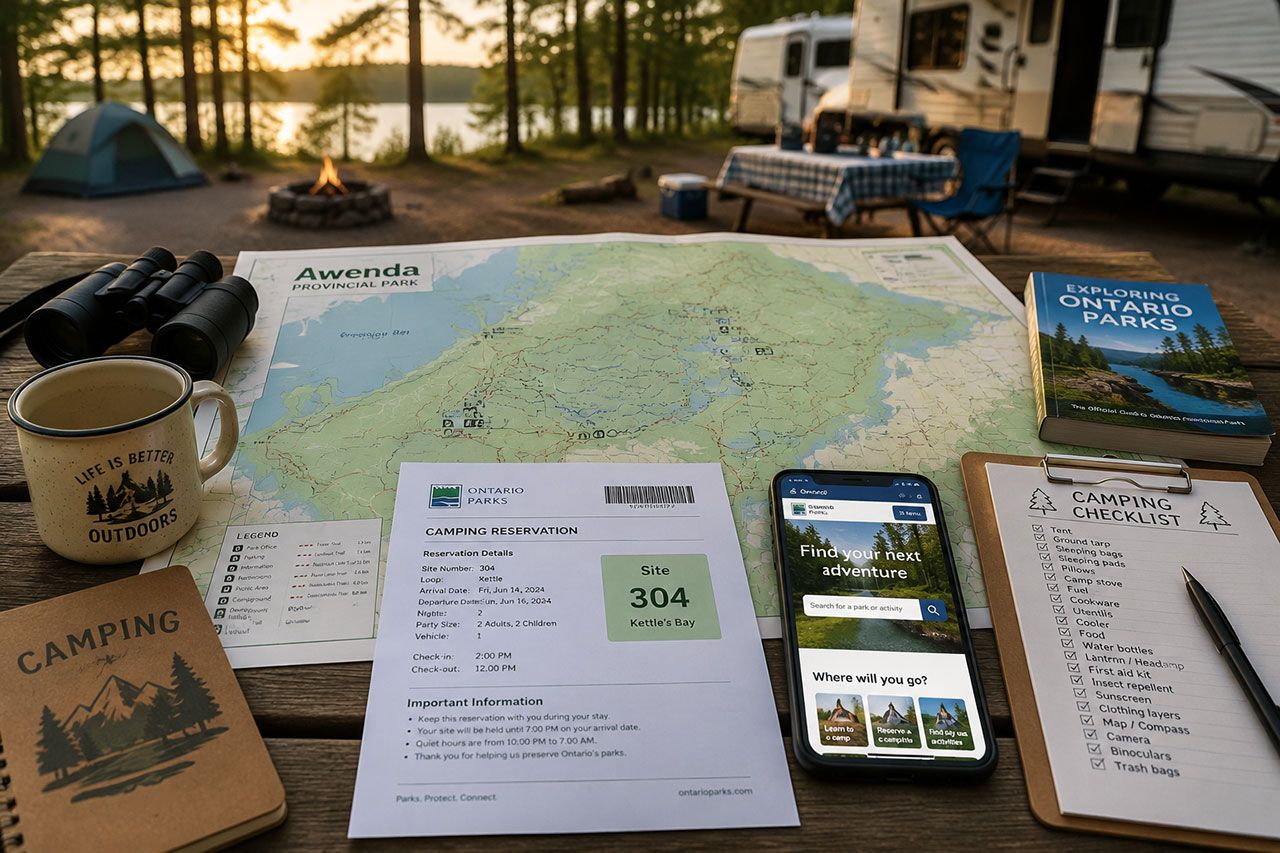
What to Pack: Awenda-Specific Considerations
Beyond standard camping gear, Awenda visits benefit from:
Beach Equipment:
- Water shoes (protection from zebra mussels and rocks)
- Beach umbrella or sun shelter (limited natural shade at beaches)
- Cooler for beach days
- Snorkeling gear
- Paddleboard, kayak, or canoe if you have one
Forest and Trail Gear:
- Insect repellent with DEET (black flies in spring, mosquitoes in summer)
- Tick removal tool and knowledge of proper removal technique
- Binoculars for bird watching and distant island viewing
- Field guides for tree, plant, and bird identification
- Camera with good zoom for wildlife photography
Campsite Essentials:
- Firewood (purchase at park gate; bringing outside wood is prohibited due to invasive species concerns)
- Long-handled lighter or waterproof matches
- Headlamps or flashlights (campgrounds are very dark at night)
- Rope for hanging food if camping in Bluff Campground (bear-aware practices)
- Tarps for gear protection and extra shelter
Grocery and Supply Planning
Stock up before entering the park. The nearest full-service grocery stores are in Penetanguishene (20 minutes) and Midland (25 minutes). The park gate store sells firewood, ice, and limited camping supplies but not groceries.
Pre-Trip Shopping List:
- All meals and snacks for your stay
- Drinking water or filtration system
- Ice for coolers (available at park gate but cheaper in town)
- Firewood (must purchase at park; bringing your own is prohibited)
- Any forgotten camping gear (better selection and prices in town)
Weather Preparedness
Georgian Bay weather can change rapidly. Even summer visits should include:
- Rain gear and waterproof layers
- Warm clothing for evening temperature drops
- Sun protection (hat, sunglasses, high-SPF sunscreen)
- Extra tarps for creating dry spaces during rain
Check Environment Canada forecasts before departure, but pack for variable conditions regardless of predictions.
Cell Service and Connectivity
Cell phone service at Awenda is limited and unreliable. Most carriers have weak or no signal throughout the park. This digital disconnect is part of Awenda’s appeal, but it requires preparation:
- Download offline maps before arrival
- Save important phone numbers and information
- Inform family/friends you’ll be unreachable
- Bring physical books, games, and entertainment
- Download music, podcasts, or audiobooks in advance
Emergency phones are available at park offices.
Accessibility Considerations
Awenda offers some accessible features:
- Accessible campsites in Kettle’s Lake Campground
- Paved paths to Beach 4 and main facilities
- Accessible washrooms at Beach 4 and campground comfort stations
- Designated accessible parking at all major areas
However, most trails are natural surface and not wheelchair accessible. Contact park staff in advance to discuss specific accessibility needs.
Pet Policies
Dogs are welcome at Awenda Provincial Park with restrictions:
- Must be leashed at all times (maximum 2-meter leash)
- Not permitted on swimming beaches during peak season (Victoria Day to Labour Day)
- Allowed on trails and in campgrounds
- Owners must clean up after pets
- Aggressive dogs may result in camping permit revocation
The pet-friendly policy makes Awenda excellent for campers who want to bring their dogs, though the beach restrictions during summer may disappoint some visitors.
Cost Breakdown
Budget for these expenses (2026 rates):
- Campsite: $45-$60 per night (varies by site type and season)
- Vehicle permit: Included with camping reservation
- Firewood: $10-$12 per bundle at park gate
- Roofed accommodations: $80-$120 per night
- Reservation fee: $13 per reservation
A typical weekend camping trip (Friday-Sunday, 2 nights) costs approximately $130-$150 for the campsite plus firewood and food.
Nearby Attractions for Rest Days
If you’re camping for an extended stay, nearby attractions include:
- Sainte-Marie among the Hurons (20 minutes): Reconstructed 17th-century Jesuit mission
- Discovery Harbour (25 minutes): Historic naval base with tall ships
- Wye Marsh Wildlife Centre (30 minutes): Wetland conservation area with boardwalk trails
- Midland downtown (25 minutes): Restaurants, shops, and services
- Penetanguishene (20 minutes): Charming waterfront town with dining options
These destinations provide variety during longer camping trips and backup plans for rainy days.
Conclusion
Awenda Provincial Park stands out among Ontario’s provincial parks for its rare combination of accessibility and genuine wilderness character. The six beaches offer something for every mood and group size, from the lively family atmosphere of Beach 4 to the secluded tranquility of Beach 1. The ancient hardwood forests and 30+ kilometers of trails provide endless exploration opportunities, whether you’re a casual walker or dedicated hiker. The three distinct campgrounds accommodate every camping style, from fully-serviced RV sites to radio-free tent camping zones designed for true unplugging.
What makes Awenda truly special is how it delivers a remote, peaceful experience while remaining practically accessible, just two hours from Toronto and minutes from full services. The park rewards both spontaneous weekend warriors and meticulous planners, though advance reservations dramatically improve your chances of securing prime campsites during peak season.
Take Action:
-
- Visit the official Awenda Provincial Park page on Ontario Parks to check availability and book your campsite up to five months in advance.
- Explore detailed campground reviews, photos, and real-time availability updates on CampEscape’s Awenda Provincial Park to select the perfect campsite for your needs.
- Plan your visit for shoulder season (May-June or September) if you prefer fewer crowds and lower rates while still enjoying excellent weather.
- Pack for variable weather, bring water shoes for the beaches, and purchase firewood at the park gate to protect Ontario’s forests from invasive species.
- Download offline maps and entertainment before arrival, as cell service throughout the park is limited or non-existent.
Awenda Provincial Park offers the Georgian Bay experience many campers dream about: turquoise water, sandy beaches, ancient forests, and genuine quiet. Whether you’re pitching your first tent or parking your fortieth RV, Awenda welcomes you to discover why it’s become a favorite among those who’ve found it. The park’s relative obscurity compared to more famous Ontario destinations means there’s still room for you to create your own Awenda memories, but that window won’t last forever as word continues to spread about this Georgian Bay gem.
